Understanding L and C Coin Values
The world of “L and C coins” has gotten complicated with all the vague references and overlapping terminology flying around. As someone who’s spent years studying different coin series — from ancient Roman pieces marked with L denominations to American Capped Bust coins — I learned everything there is to know about what these designations actually mean and what the coins are worth. Today, I will share it all with you.

What “L Coins” Actually Refers To
In numismatics, “L coins” most often points to Roman-era denominations. The aureus (gold) and denarius (silver) are the heavy hitters here, and many carry mint marks or denomination markers that include the letter L. I own a handful of Roman denarii, and studying their inscriptions is half the fun. The portraits of emperors, the deity imagery on the reverse, the mint marks — each element tells you something about when and where the coin was struck.
Roman gold and silver coins were minted in vast quantities across the Empire. A worn denarius from the 2nd century AD might cost $50 at a coin show, while a rare aureus in good condition could fetch five figures. The range is enormous, which is part of what makes this area of collecting so interesting.
The materials used tell an economic story too. Early Roman coins used higher-purity silver. As the Empire declined, silver content was progressively debased — a telltale sign of fiscal stress that you can literally hold in your hand.
How to Identify L-Series Coins
Authentication requires close examination of portraits, legends (inscriptions), and die characteristics. Wear can obscure details on ancient coins, so high-quality photography and magnification are essential. I use a 20x loupe for initial examination and digital microphotography for anything I’m seriously considering buying.
Cross-referencing with published catalogs like Roman Imperial Coinage (RIC) is standard practice. Museum collections also provide comparison specimens. If you’re spending real money on an ancient coin, get it authenticated by a recognized service.
What “C Coins” Typically Means
In the American context, “C coins” usually refers to the Capped Bust series, designed by John Reich in the early 19th century. These coins feature Lady Liberty wearing a Phrygian cap — a symbol of freedom that carried real weight in post-Revolutionary America. They were minted from half-dimes through half-dollars.
I’ve always liked the Capped Bust design. There’s a boldness to it that later designs lost as minting became more standardized. The Liberty portrait has character, and the heraldic eagle reverse is distinctly American. Probably should have led with this section, honestly, because Capped Bust coins are some of the most underappreciated early American coins on the market.
The Evolution of Minting Technology
Early U.S. coins were struck on screw presses by hand, which produced inconsistent results. You can see this in Capped Bust coins — strike quality varies noticeably from coin to coin. Some have sharp detail throughout, while others show weak areas where the die didn’t make full contact.
The introduction of steam-powered presses in the late 18th and early 19th century changed everything. Consistency improved dramatically, and production capacity increased. For collectors, this transition period produces interesting varieties because you get coins from the same design made by very different methods.
Caring for These Coins
Both ancient and early American coins require careful handling. Cotton gloves are non-negotiable — skin oils will degrade surfaces over time. I store my better pieces in individual holders inside a climate-controlled cabinet. Humidity is the enemy of both silver and copper, so maintaining low humidity is important.
Never clean a coin unless a professional advises it. I’ve seen collectors destroy thousands of dollars in value by dipping ancient coins in cleaning solution. A naturally toned coin with original surfaces is almost always worth more than a harshly cleaned one.
Market Values
Pricing depends on the usual factors: rarity, condition, and demand. Roman denarii in circulated grades start around $30-50 for common types. Scarce emperors or high-grade specimens climb into the hundreds or thousands. American Capped Bust halves in VF condition typically run $100-300 for common dates, with key dates and die varieties commanding much more.
Always buy from reputable dealers who stand behind their products. Online marketplaces have expanded access but also increased the risk of counterfeits. Certified coins in PCGS or NGC holders (for American coins) or authenticated by recognized ancient coin specialists offer the most security.
Common Mistakes to Avoid
The biggest misconception I see is that age automatically equals value. A common Roman bronze coin from the 3rd century AD might be 1,800 years old and worth $10. Meanwhile, a U.S. coin from 1916 (the Mercury dime) can be worth thousands if it’s the right mint mark in the right condition. Rarity and demand matter more than age.
The other common mistake is cleaning. I’ve said it before and I’ll keep saying it: don’t clean coins. If you inherit a collection and aren’t sure about a coin’s value, leave it exactly as it is until you can get a professional opinion.
Resources for Collectors
Join a numismatic society — the ANA (American Numismatic Association) for U.S. coins, or groups like the Ancient Numismatic Society of Washington for ancient material. These organizations provide educational resources, networking, and access to reputable dealers. Online forums like CoinTalk and the ancient coins section of Reddit are also good for building knowledge and connecting with experienced collectors.
That’s what makes L and C coins endearing to us numismatists — they span thousands of years of human history, from Roman emperors to American founding ideals. Whether you collect ancient or early American, the research and discovery never gets old.
Recommended Collecting Supplies
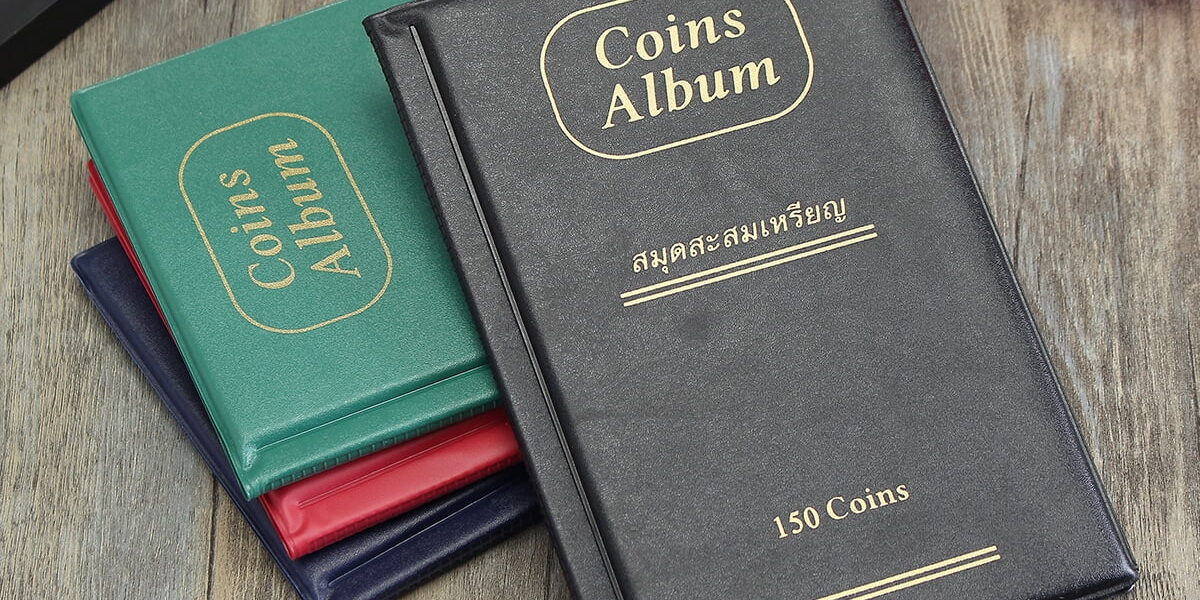
Coin Collection Book Holder Album – $9.99
312 pockets for coins of all sizes.
20x Magnifier Jewelry Loupe – $13.99
Essential tool for examining coins and stamps.
As an Amazon Associate, we earn from qualifying purchases.




Stay in the loop
Get the latest wildlife research and conservation news delivered to your inbox.