Why the Smallest Coins Tell the Biggest Stories
Walk past a penny on the sidewalk and most people keep walking. But numismatists collecting minor denominations worldwide know something the general public misses: the smallest coins often carry the most fascinating histories.
Minor denominations—pennies, centimes, pfennigs, centavos, and their equivalents—circulated in quantities that made them accessible to every economic class. While gold coins sat in treasury vaults and silver dollars passed between merchants, copper pennies bought bread for children and paid streetcar fares. These humble coins document daily life in ways high-value coinage never could.
The Appeal of Minor Denomination Collecting
Accessibility Meets Historical Depth
You can build significant collections of minor denominations on budgets that wouldn’t buy a single rare Morgan dollar. British pennies from the Victorian era trade for $2-10 in circulated grades. French centimes from the Third Republic cost even less. Mexican centavos from the 1900s-1940s fill albums at prices anyone can afford.
This affordability doesn’t mean the coins lack interest. A 1943 U.S. steel cent tells the story of wartime copper shortages. A 1917 Canadian cent made from melted-down church bells documents WWI metal conservation efforts. These aren’t just coins—they’re tangible connections to historical moments that shaped nations.
Design Innovation in Small Packages
Minor denominations often showcase artistic experimentation that wouldn’t risk larger currencies. The British halfpenny featured Christopher Ironside’s innovative sailing ship design in 1971. The French 1 centime carried Marianne portraits that evolved through multiple republics. Italian 1 lira coins displayed different designs almost yearly during certain periods.
Small size forced engravers to master composition and detail. Creating recognizable portraits and symbols in 19-20mm diameters required technical skill modern coin designers still admire.
Building Collections by Region
British Commonwealth Minor Coinage
The British penny and halfpenny system spread across one-quarter of the Earth’s surface at the empire’s height. This created collecting opportunities spanning every continent.
Australian pennies (1911-1964) feature kangaroos and distinctive red-brown copper. Canadian cents showcase maple leaves and changing monarch portraits from Victoria through Elizabeth II. New Zealand halfpennies depict the Tui bird. South African pennies carried springbok designs and bilingual inscriptions reflecting the nation’s linguistic divide.
What makes Commonwealth collecting compelling is the parallel evolution. These nations used similar denominations but developed distinctive national identities through coin design. You can track independence movements, constitutional changes, and national symbol development through minor coinage.
European Minor Denominations
Pre-Euro European minor coinage offers incredible variety in small spaces. Germany’s pfennig system operated from medieval times through 2001. France’s centime circulated from 1795 until Euro adoption. Italian centesimi, Spanish céntimos, and Dutch cents each tell unique national stories.
The French 1 centime particularly rewards study. The denomination survived through five republics, two empires, and multiple regimes. Designs shifted with each government change. The Cérès head of the early Third Republic gave way to Liberty heads, then laureate heads, then modern abstract designs. You can trace French political history through a denomination that bought virtually nothing by the 1990s.
Post-war European minor coinage often used aluminum or aluminum-bronze, creating distinctive lightweight coins. These materials weren’t prestigious like silver or gold, but they kept minor denominations viable when inflation made copper too expensive for low-value coins.
Latin American Centavos
Latin American minor denominations document a continent’s economic and political turbulence. Mexican centavos evolved through revolution, reform, and periodic revaluations. Brazilian centavos disappeared and reappeared multiple times as currency reforms attempted to control inflation.
The designs tell revolutionary stories. Mexican centavos feature Aztec symbolism alongside European-influenced portraits. Cuban centavos shifted from Spanish colonial designs to revolutionary imagery after 1959. Argentine centavos documented Perón’s rise and fall through changing portraits and symbols.
These coins often survive in better condition than their European or North American counterparts because economic instability made people hoard them. A 1920s Mexican centavo might be uncirculated because inflation made it too valuable to spend by the 1950s.
Asian Minor Coinage
Asian minor denominations blend traditional and modern influences. Japanese sen (1/100 yen) featured chrysanthemums and phoenixes. Chinese fen displayed wheat stalks and national emblems. Indian paise showed agricultural themes alongside the Ashoka pillar.
The transition from imperial to modern systems appears vividly in minor coinage. Pre-1912 Chinese cash coins with square holes gave way to modern copper cents with Sun Yat-sen portraits. Japanese sen evolved from Meiji-era designs through WWII militarism to post-war democratic symbols.
Many Asian nations discontinued minor denominations earlier than Western countries as economic development made the smallest denominations impractical. This creates natural endpoint dates for collectors.
Key Dates and Varieties in Minor Denominations
Wartime Composition Changes
World wars forced nations to conserve strategic metals, creating collectible varieties in minor coinage. The 1943 U.S. steel cent is famous, but other nations made similar wartime substitutions.
Britain issued steel pennies in 1944. Netherlands produced zinc cents during German occupation. France struck coins in aluminum and iron. These wartime substitutes often survive in poor condition because the alternative metals corroded readily, making high-grade examples valuable despite low face values.
Mintage Mysteries and Rarities
Low mintages create rarities even in minor denominations. The 1933 British penny wasn’t issued for circulation—only pattern pieces were struck. The few that exist trade for thousands of pounds despite being “just” pennies.
Australian 1930 pennies rank among the world’s most famous minor denomination rarities. Only about 1,500 were struck. Values reach five figures for circulated examples and six figures for uncirculated pieces.
Sometimes rarities hide in plain sight. Canadian 1923 small cents with specific varieties command premiums despite the year’s decent overall mintage. Learning these subtleties turns affordable collections into treasure hunts.
Grading and Condition Considerations
Circulation Wear Tells Stories
Minor denominations saw heavy use. Finding uncirculated examples of early 20th century pennies proves challenging because these coins actually circulated rather than sitting in bank vaults.
This changes collecting strategy. For high-value coins, collectors often demand Mint State pieces. For minor denominations, Very Fine or Extremely Fine grades often represent the practical upper end for common dates. This makes collections more affordable and arguably more historically authentic—these coins were meant to be used.
Corrosion and Environmental Damage
Copper and bronze coins develop distinctive patinas. Light brown to dark brown toning is normal and often desirable. Green corrosion (verdigris) indicates environmental damage and reduces value.
Aluminum and zinc coins present different challenges. They can develop white corrosion spots or pitting. Iron-based wartime issues rust. Understanding how different metals age helps collectors assess condition accurately.
Never clean coins to remove patina. A naturally dark but problem-free Victorian penny has more value than a bright cleaned one with hairline scratches from abrasive cleaning.
Building Thematic Collections
Type Sets Across Nations
Rather than completing every date, collect one example of each design type. A British penny type set might include Victorian bun head, Victorian old head, Edward VII, George V, George VI, and Elizabeth II designs. This captures design evolution without requiring hundreds of date varieties.
Extend this across nations for comparative studies. Collect one penny/cent equivalent from each Commonwealth nation, showing how the British system spread and diversified. Or gather one lowest-denomination coin from each European nation pre-Euro.
Historical Event Documentation
Build collections around historical periods. A WWI collection might include German iron pfennigs, French holed centimes, British pennies, and U.S. Lincoln cents from 1914-1918. This documents how different nations approached coin production during the conflict.
Independence movements appear in minor coinage. Collect the last coins issued under colonial rule alongside first coins of independence for various nations. Irish pennies shifted from British to Free State designs. Indian paise evolved from colonial types to republic issues.
Resources for Worldwide Minor Denomination Collectors
Reference Catalogs
The Standard Catalog of World Coins covers minor denominations comprehensively. Separate volumes for different date ranges provide mintages, varieties, and pricing for coins from every nation.
Specialized catalogs exist for specific countries. Spink’s catalog covers British coins exhaustively. The Charlton Standard Catalog documents Canadian coinage. These specialized references provide variety details the world catalogs omit.
Online Communities and Resources
CoinTalk forums have active sections for world coins where collectors share variety discoveries and discuss attribution challenges. NumisWiki provides free access to historical coin information and images.
National museum collections often display minor coinage online. The British Museum’s collection database includes thousands of minor denomination coins with high-resolution images showing details useful for attribution and comparison.
Storage and Preservation
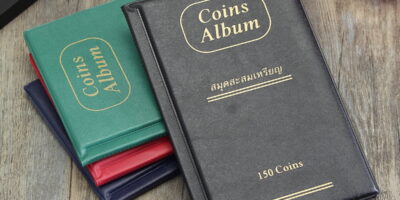
Store coins in inert holders. Polyvinyl chloride (PVC) plastic holders damage coins over time. Use Mylar flips, capsules, or PVC-free albums.
For copper-based minor denominations, control humidity. Copper corrodes in humid environments. Silica gel packets in storage containers help control moisture.
Avoid touching coin surfaces. Handle coins by edges. Skin oils accelerate corrosion on copper and zinc. For valuable pieces, wear cotton gloves during handling.
The Future of Minor Denomination Collecting
Many nations discontinued their smallest denominations. Canada eliminated pennies in 2013. Australia phased out 1 and 2 cent pieces decades ago. As nations follow this trend, the minor denominations that circulated for centuries become historical artifacts rather than active currency.
This creates collecting urgency. Coins that were mundane pocket change five years ago become fixed-population collectibles. The supply can only decrease as pieces are lost, damaged, or removed from circulation.
For collectors with limited budgets but unlimited curiosity about global history, minor denominations offer engagement that precious metal coins can’t match. These coins were there when ordinary people bought bread, paid rent, and lived daily life across continents and centuries. The stories they tell aren’t about kings and treasuries—they’re about humanity’s shared economic experience. That’s history worth collecting.