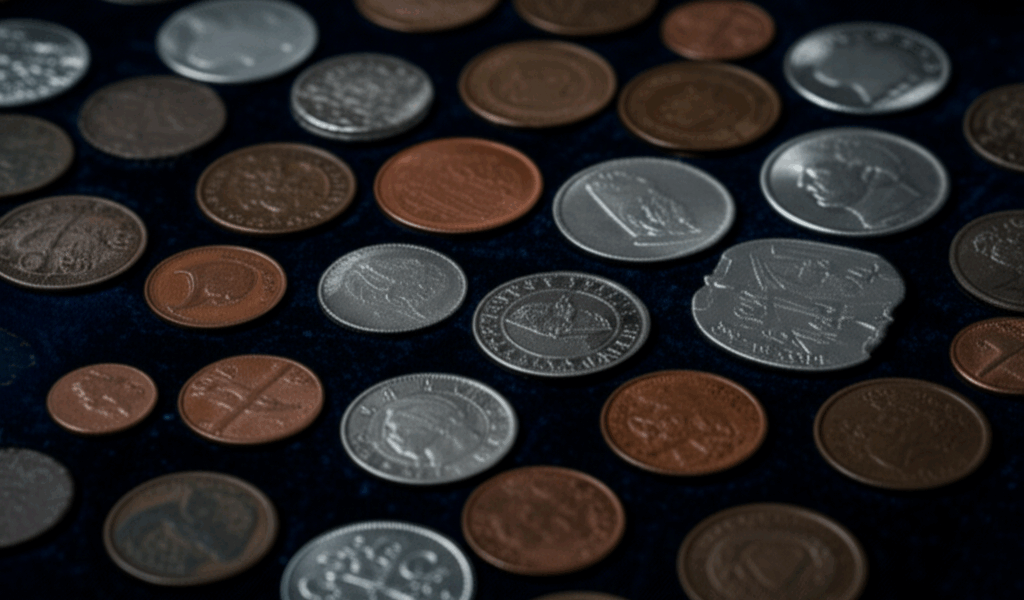
Coin buying has gotten complicated with all the hype and questionable sellers flying around. As someone who made plenty of expensive mistakes early in my collecting journey, I learned everything there is to know about evaluating coins before handing over money. Today, I will share it all with you.
The Five-Point Quick Check
Before you buy anything — at a coin show, online auction, or local dealer — run through this mental checklist. It’s saved me from costly mistakes more times than I can count.
1. Is It Real?
Authenticity is the single most important question. Check the weight with a precision scale, verify the diameter with calipers, and confirm the metal composition makes sense for the coin you’re examining. Counterfeits have gotten disturbingly good, so learn what real coins should look, feel, and weigh. When any doubt exists, stick to coins certified by PCGS or NGC. The grading fee is cheap insurance compared to paying $500 for a fake.
2. What’s the Honest Grade?
Probably should have led with this section, honestly. Learning to evaluate wear patterns on high points, original luster quality, and surface preservation is fundamental to not overpaying. Compare what you’re looking at to published grading standards and reference photos. For anything worth serious money, rely on professional third-party grading rather than your own assessment or the dealer’s optimistic opinion.
3. Has Somebody Messed With It?
Problem detection separates experienced collectors from newcomers who get burned. Watch carefully for:
- Unnatural brightness or hairline scratches from harsh cleaning
- Rim damage, deep scratches, or heavy contact marks
- Evidence of tooling, smoothing, or artificial enhancement of details
- Environmental damage — corrosion, spots, or PVC residue from bad holders
- Fake toning applied to hide problems or simulate attractive color
- Filled holes, removed jewelry mountings, or repaired damage
4. Is the Price Fair?
That’s what makes price research endearing to us bargain-hunting collectors — it protects your wallet. Always check recent auction results from Heritage, Great Collections, and other major houses. Consult current price guides including the Red Book and Grey Sheet. Compare what multiple reputable dealers charge for similar coins. If someone is asking a premium, it should reflect genuine rarity or exceptional quality, not just dealer wishful thinking.
5. Does It Fit Your Collection?
This is the question most collectors skip, and it’s the one that prevents regret later. Does this coin match your collecting goals? Does it fit your budget without stretching uncomfortably? Will you still want it in five years, or is this an impulse grab you’ll regret next month? The best purchases are coins you genuinely enjoy studying and owning over the long haul.
Walk Away When You See These Red Flags
Trust your instincts. If something feels off, it probably is. Be especially wary of:
- Pressure to buy immediately — “someone else is interested” is the oldest trick in the book
- Refusal to provide documentation or explain a coin’s history
- Prices dramatically below established market values — if it seems too good to be true, it is
- Sellers who won’t let you examine the coin under magnification
- Raw coins claimed to be high grade without any certification to back it up
- Elaborate stories about “estate finds” or “grandpa’s secret collection” with zero verification
Getting Smarter Over Time
The more coins you handle and study, the better your buying decisions get. Read the authoritative reference books for whatever you collect. Attend local coin club meetings — the experienced collectors there have seen every scam and mistake, and most are happy to share what they know. Go to shows and handle as many genuine coins as possible. There’s no substitute for training your eye on real specimens.
Everyone makes mistakes in this hobby. I once paid good money for a coin that turned out to be harshly cleaned, and I’ve overpaid for common dates in mediocre condition because I got caught up in the moment. Those mistakes stung, but they taught me more than any book could.
Essential Resources
- PCGS and NGC online price guides and population reports — free and invaluable
- Heritage Auctions archives for actual realized prices (not asking prices)
- American Numismatic Association educational materials and library
- Specialty references for whatever series or type you focus on
Happy collecting, and may your purchases bring lasting satisfaction!



Stay in the loop
Get the latest wildlife research and conservation news delivered to your inbox.