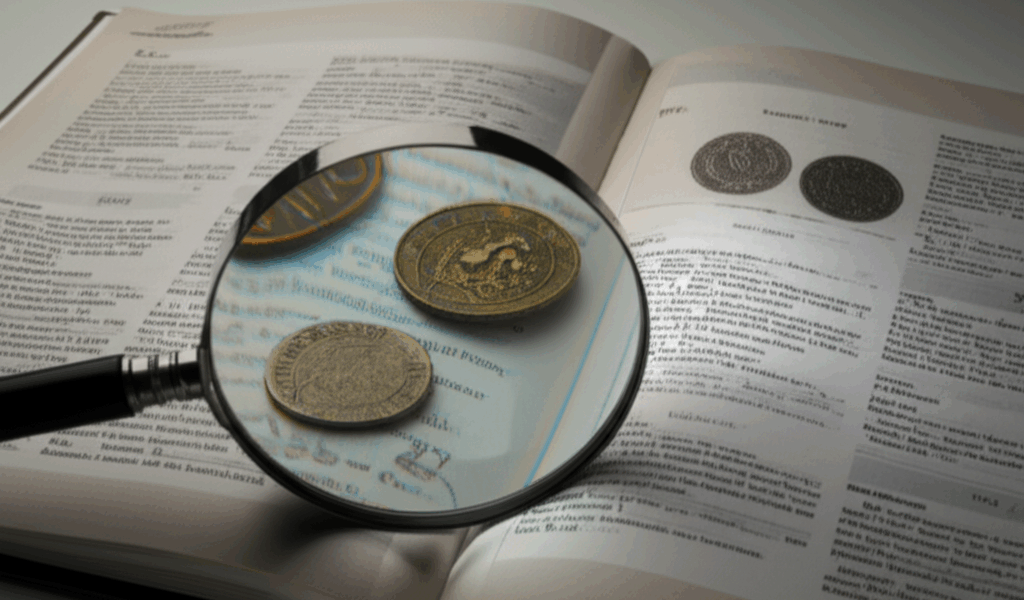
Coin Collecting Part 1
Complete Guide to Coin Collecting: Building and Valuing Your Numismatic Collection
Coin collecting combines history, artistry, and investment potential into a rewarding hobby. This comprehensive guide covers essential knowledge for collectors from beginners to advanced numismatists.
Understanding Coin Grading
The Sheldon scale provides a standardized method for describing coin condition, ranging from Poor (P-1) through Perfect Uncirculated (MS-70). Third-party grading services like PCGS and NGC authenticate coins and assign grades that significantly impact value.
Circulated Grades
Circulated coins show wear from use. About Good (AG-3) exhibits heavy wear with major design elements barely visible. Good (G-4) shows complete outline with major features flat. Very Good (VG-8) has some detail remaining in protected areas. Fine (F-12) displays moderate wear on high points. Very Fine (VF-20 to VF-35) retains significant detail with light wear. Extremely Fine (EF-40 to EF-45) shows minimal wear on highest points.
Uncirculated Grades
Mint State coins never entered circulation. MS-60 shows no wear but may have contact marks and poor luster. MS-63 represents Choice with fewer marks and pleasing appearance. MS-65 denotes Gem quality with minimal marks and full luster. MS-67 and above are Superb Gem quality, rare and highly valuable.
Building a Collection
Successful collecting requires focus and strategy. Type collectors acquire one example of each design. Date collectors seek every year and mint mark combination. Registry collectors pursue the highest graded examples for competitive sets.
Starting Points
Lincoln cents offer affordable entry with numerous varieties. Jefferson nickels provide another accessible series. State quarters engage newer collectors with varied designs. Morgan dollars combine history, size, and beauty for more serious collectors.
Authentication and Counterfeits
Counterfeit coins plague the hobby, particularly for valuable issues. Weight, diameter, and specific gravity testing reveals base metal fakes. Die characteristics help identify genuine coins. Third-party grading provides authentication protection worth the fees for valuable coins.
Storage and Preservation
Proper storage maintains coin condition and value. Holders should be inert, non-reactive materials. Climate control prevents environmental damage. Handling coins by edges only prevents fingerprint damage. Never clean coins, as cleaning destroys collector value.
Market and Value
Coin values reflect condition, rarity, and demand. Price guides provide baseline references, but actual transactions determine market values. Auctions reveal true demand for rare pieces. Dealer networks facilitate buying and selling at various price points.
Conclusion
Coin collecting rewards patience, knowledge, and careful acquisition. Start with affordable series to learn grading and market dynamics. Develop expertise before pursuing expensive pieces. The hobby offers lifelong learning and enjoyment regardless of budget.
Part 2: Advanced
Complete Guide to Coin Collecting: Building and Valuing Your Numismatic Collection
Coin collecting combines history, artistry, and investment potential into a rewarding hobby. This comprehensive guide covers essential knowledge for collectors from beginners to advanced numismatists.
Understanding Coin Grading
The Sheldon scale provides a standardized method for describing coin condition, ranging from Poor (P-1) through Perfect Uncirculated (MS-70). Third-party grading services like PCGS and NGC authenticate coins and assign grades that significantly impact value.
Circulated Grades
Circulated coins show wear from use. About Good (AG-3) exhibits heavy wear with major design elements barely visible. Good (G-4) shows complete outline with major features flat. Very Good (VG-8) has some detail remaining in protected areas. Fine (F-12) displays moderate wear on high points. Very Fine (VF-20 to VF-35) retains significant detail with light wear. Extremely Fine (EF-40 to EF-45) shows minimal wear on highest points.
Uncirculated Grades
Mint State coins never entered circulation. MS-60 shows no wear but may have contact marks and poor luster. MS-63 represents Choice with fewer marks and pleasing appearance. MS-65 denotes Gem quality with minimal marks and full luster. MS-67 and above are Superb Gem quality, rare and highly valuable.
Building a Collection
Successful collecting requires focus and strategy. Type collectors acquire one example of each design. Date collectors seek every year and mint mark combination. Registry collectors pursue the highest graded examples for competitive sets.
Starting Points
Lincoln cents offer affordable entry with numerous varieties. Jefferson nickels provide another accessible series. State quarters engage newer collectors with varied designs. Morgan dollars combine history, size, and beauty for more serious collectors.
Authentication and Counterfeits
Counterfeit coins plague the hobby, particularly for valuable issues. Weight, diameter, and specific gravity testing reveals base metal fakes. Die characteristics help identify genuine coins. Third-party grading provides authentication protection worth the fees for valuable coins.
Storage and Preservation
Proper storage maintains coin condition and value. Holders should be inert, non-reactive materials. Climate control prevents environmental damage. Handling coins by edges only prevents fingerprint damage. Never clean coins, as cleaning destroys collector value.
Market and Value
Coin values reflect condition, rarity, and demand. Price guides provide baseline references, but actual transactions determine market values. Auctions reveal true demand for rare pieces. Dealer networks facilitate buying and selling at various price points.
Conclusion
Coin collecting rewards patience, knowledge, and careful acquisition. Start with affordable series to learn grading and market dynamics. Develop expertise before pursuing expensive pieces. The hobby offers lifelong learning and enjoyment regardless of budget.

Stay in the loop
Get the latest wildlife research and conservation news delivered to your inbox.