Why Cleaned Coins Get Flagged and What Graders Actually See
Coin cleaning has gotten complicated with all the bad advice flying around. As someone who inherited a Morgan Dollar collection and promptly destroyed an 1881-S with an acetone dip gone wrong, I learned everything there is to know about what graders actually see — the hard way. Today, I will share it all with you.
That PCGS return slip still stings. “Cleaned — Details grade.” I’d expected AU-58. The difference cost me roughly $800 at resale. One careless afternoon, one ruined coin.
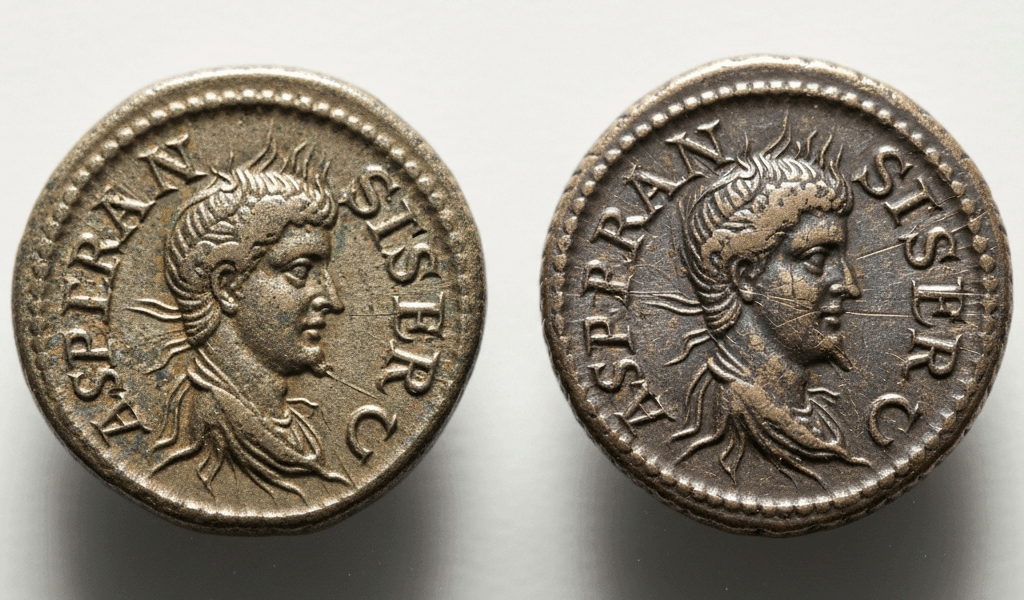
So what do graders actually see? Under raking light, the first thing they hunt for is hairlines — microscopic parallel scratches left behind whenever anything abrasive contacts metal. Anything. Even cloth. A coin with original skin shows luster flowing naturally across the field and devices. Uninterrupted. Consistent. When cleaning has happened, that flow breaks apart. Parts look almost highlighted. Others go weirdly dull. You can see it immediately once you know what you’re looking for.
Brightness is the second tell. Original toning has depth — a Morgan Dollar sitting in a roll for 80 years develops rich chocolate or gunmetal toning with gradations. Darker in the recesses. Lighter on the high points. A cleaned coin skips all that. It looks flat, sterile, almost glowing rather than reflecting. Graders call it “unnatural brightness.” It’s one of the easiest diagnostics at sight.
The last red flag is disrupted die flow. Coin designs have a rhythm — luster follows the topography of the strike. Cleaning destroys that rhythm entirely. Graders confirm with loupe magnification and raking light held nearly parallel to the coin’s surface. That’s how precise this gets. And the stakes are real: a Details grade versus a straight grade represents a 60 to 80 percent loss in auction value on any key date. That’s not hyperbole. It’s math.
The Most Damaging Cleaning Methods Collectors Use by Mistake
Four methods wreck coins constantly — usually committed by collectors who genuinely mean well.
Wiping with cloth or paper towel
This one is the single most common mistake I encounter. Someone pulls a coin from a flip, notices a smudge, thinks — I’ll just wipe this off real quick. Paper towel, soft cloth, microfiber, it doesn’t matter. Friction is friction. Microscopic hairlines appear across the entire surface. On copper cents, naked-eye visible after about 15 seconds of gentle rubbing. On silver, they show immediately under raking light. The damage is permanent. That wheat cent you inherited from your grandfather? If anyone wiped it, it’s flagged.
Acetone misuse
Acetone itself is fine for metal — the chemistry is safe. The problem is always technique. Collectors soak correctly, then grab a cloth to “help it along.” That’s the catastrophic part. The rubbing causes the hairlines, not the acetone. Some people also use acetone-based jewelry cleaners — products like Tarn-X or commercial silver dips — applied aggressively. The chemical dissolves oxidation just fine. The application method destroys the surface. Even one wipe with an acetone-wet cloth leaves a trail of microscopic scratches graders will catch.
Silver dip solutions used aggressively
Products like Dip-It can work in careful hands. The chemistry is actually sound. But most collectors don’t wait. They dunk the coin, pull it after 10 seconds, panic slightly, and start scrubbing to finish the job. That’s when the luster dies. I’ve watched people do this at shows — dip, wipe, wonder why it looks wrong. The result is pitting and stripped luster. A Morgan Dollar treated this way can drop from MS-63 to a cleaned Details grade, which is a brutal value hit on any desirable date.
Baking soda paste or toothpaste
Never. Both are mild abrasives — designed for enamel, not numismatic metal. Even “non-abrasive” toothpaste contains micro-particles that scratch. A collector once told me she’d brushed her wheat cents with a soft toothbrush and toothpaste to freshen them up before a presentation. Every single coin was hairlined to oblivion. Don’t make her mistake. Baking soda is slightly gentler but still causes visible surface damage, especially on older copper where the metal runs softer. Scratches compound over time as they catch dust and grime.
How to Tell If a Coin You Already Own Has Been Cleaned
Probably should have opened with this section, honestly. A lot of collectors inherit coins or buy them at shows without knowing their full history. Fortunately, a desk lamp and 10 minutes of honest inspection tell the whole story.
Grab a strong incandescent or LED desk lamp — adjustable angle matters here. Position it nearly parallel to the coin’s surface, almost grazing it. Tilt the coin slowly under that raking light. Hairlines cast tiny shadows and become obvious fast. On a Morgan Dollar obverse, focus on Miss Liberty’s cheek and the hair near her temple. Those high points reveal hairlines immediately if they exist. On Lincoln cents, the portrait and wheat reverse show damage plainly under the same conditions.
Original toning on silver looks layered. Darker in protected areas, lighter on exposed surfaces. Artificial retoning looks painted — it sits on top rather than existing as part of the metal. Original Morgan toning has subtle color density variation. Cleaned and artificially retoned coins look uniform, almost dyed. That uniformity is unnatural.
Unnatural brightness on a key-date Morgan is another indicator something happened. Compare it against an uncirculated example of the same date if you can. The original will have warm, complex luster. The cleaned version looks sterile — too bright, lacking character. Hard to describe precisely, but your eye recognizes it once you’ve seen both side by side.
Worth knowing: there’s a real difference between a conserved coin and a cleaned coin. NCS — Numismatic Conservation Services — performs approved conservation that removes damaging materials like PVC residue, old lacquer, and active corrosion without affecting the metal’s surface or original toning. NCS coins come with certification. Improperly cleaned coins have no documentation and show surface damage graders identify immediately.
What You Can Safely Do Without Damaging Numismatic Value
Don’t panic if you own coins. Safe options exist — there just aren’t many of them.
A pure acetone soak might be the best option, as coin preservation requires removing contaminants without friction. That is because acetone dissolves PVC residue and surface grime chemically, leaving the metal itself untouched. Submerge the coin for 10 to 15 minutes without touching it, agitating it, or going anywhere near it with a cloth. Remove with tweezers. Air dry completely. No rubbing whatsoever — that part is non-negotiable.
Distilled water soaks work well on ancient coins and heavy copper corrosion. Room-temperature distilled water, overnight, glass container. Again — no friction, no brushing. Just time and water softening encrusted soil without damaging the metal underneath. It’s slow. It works.
While you won’t need a professional conservation lab for everyday coin care, you will need a handful of legitimate resources for coins with serious problems. Heavy PVC damage, old lacquer, active corrosion — these need NCS or a comparable conservation service. First, you should contact them directly — at least if you want to preserve the coin’s grade potential rather than gambling on a home remedy. The service costs real money. It preserves real value.
When a Cleaned Coin Is Still Worth Collecting
Not every cleaned coin belongs in a trash drawer. Context genuinely matters here.
But what is a Details-grade coin, really? In essence, it’s a coin with a problem — cleaned, polished, damaged — that grading services won’t assign a numerical grade to. But it’s much more than that. It’s still a historical object. A heavily circulated wheat cent cleaned decades ago still circulated in actual pockets and actual cash registers. Someone spent it on something in 1943. That story doesn’t disappear because someone later wiped it.
That’s what makes original context endearing to us collectors. For type set builders wanting every denomination represented, a cleaned Details example is often affordable and entirely appropriate. The coin still tells its story.
Learning to identify cleaned coins in the market also saves money — real money. A Details-grade Morgan should cost significantly less than a straight-graded equivalent. I’m apparently wired to spot the brightness issue first, and that diagnostic works for me while the hairline check never registers as quickly. Find your own reliable diagnostic. If a dealer is moving a cleaned coin at MS-63 prices, you’ve spotted a problem worth walking away from.
So, without further ado, the real goal here is respecting what a coin actually is — a physical record of history. Cleaning destroys that. It erases evidence of storage, handling, and value across generations. Original surfaces, even dull ones, tell truth. Collectors who understand this preserve rather than “improve.” That shift in mindset protects resale value, yes — but more than that, it protects the integrity of the collection itself.


Stay in the loop
Get the latest global coin collector updates delivered to your inbox.