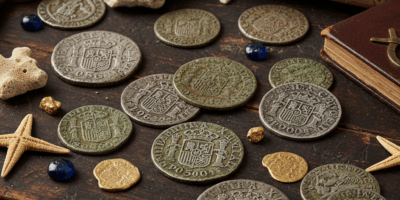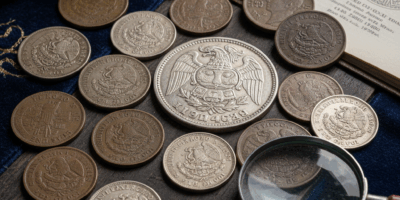
Ancient coin collecting has gotten complicated with all the conflicting advice flying around. As someone who fell into this hobby decades ago and never climbed out, I learned everything there is to know about building a collection that matters. From Greek drachms to Roman denarii, Byzantine solidi to Celtic staters, ancient numismatics provides endless opportunities for discovery. Today I’ll share what actually works.
Why Collect Ancient Coins
Ancient coins appeal to collectors for reasons that transcend typical numismatic interests. Each coin represents direct contact with the ancient world. The coin you hold may have paid Roman soldiers, purchased goods in Athenian markets, or circulated during the time of Alexander the Great.
Unlike many modern collectibles, genuine ancient coins remain surprisingly affordable. Common Roman bronze coins from the 3rd and 4th centuries sell for under $20 in decent condition. Even silver coins from the Roman Republic are accessible to collectors with modest budgets. This affordability allows newcomers to acquire authentic ancient artifacts without significant financial risk.
Historical Connection
Ancient coins bear portraits of famous rulers, commemorate historical events, and document the art and symbolism of vanished civilizations. A coin of Julius Caesar connects you to one of history’s most famous figures. Greek coins depicting gods and heroes illustrate classical mythology. Each acquisition adds context to historical knowledge gained from books and study.
Artistic Merit
Greek coins represent the pinnacle of coin design in any era. The facing head of Arethusa on Syracuse decadrachms remains unsurpassed in numismatic artistry. Roman coins feature detailed portraits that reveal individual character. Byzantine coins show the evolution of Christian iconography over centuries. Collectors appreciate ancient coins as miniature sculptures worthy of study and admiration.
Major Ancient Coin Series
Understanding the major areas of ancient coinage helps collectors focus their interests and develop expertise.
Greek Coins
Greek coinage spans roughly 600 BC to 30 BC across hundreds of city-states and kingdoms. Athenian tetradrachms featuring Athena and her owl are the most recognizable Greek coins. Alexander the Great’s empire produced vast quantities of silver coins that remain popular today. Greek colonies in Sicily and southern Italy created exceptional artistic designs that command premium prices.
Greek coins use a distinctive style and weight systems that varied by region. Collectors often specialize in specific areas such as Macedonia, Sicily, or the Phoenician cities. The variety of designs, denominations, and mints provides virtually unlimited collecting opportunities.
Roman Republican Coins
The Roman Republic struck coins from approximately 280 BC until the rise of Augustus in 27 BC. Early Republican coins feature simple designs derived from Greek prototypes. Later issues commemorate military victories, family histories, and political events. The denarius became the standard silver coin, while bronze denominations served everyday commerce.
Republican coins often feature cryptic references to Roman mythology and history. Specialized references decode these allusions and add meaning to each piece. Collectors interested in Roman history frequently prefer Republican issues for their historical significance.
Roman Imperial Coins
Imperial coinage begins with Augustus in 27 BC and continues until the fall of the Western Empire in 476 AD. Imperial coins feature portraits of emperors and their families on the obverse, with allegorical figures, buildings, and commemorative scenes on the reverse. The series documents five centuries of Roman history through continuous issues.
That’s what makes Roman imperials approachable for us collectors—common bronze coins of late Rome are extremely affordable and provide excellent entry points. Silver denarii and gold aurei become expensive in high grades but remain accessible in circulated condition. Collectors can assemble complete sets of emperors or focus on specific dynasties, events, or themes.
Byzantine Coins
Byzantine coinage continues from the fall of Rome through 1453, when Constantinople fell to the Ottomans. Early Byzantine coins maintain Roman traditions before developing distinctive styles. The gold solidus remained remarkably stable for centuries and influenced medieval European coinage. Later Byzantine coins show declining artistic quality but maintain historical interest.
Byzantine coins appeal to collectors interested in medieval history and Christian iconography. Many issues feature Christ, the Virgin Mary, and various saints. The series offers both affordable bronzes and prestigious gold issues.
Grading Ancient Coins
Ancient coin grading differs significantly from modern coin grading. Wear, strike quality, centering, and surface preservation all affect value, but relative importance varies by type and period.
Grading Terminology
Traditional European terminology uses terms like Fine, Very Fine, and Extremely Fine rather than numerical grades. American services like NGC Ancients and PCGS apply modified versions of the Sheldon scale. Understanding both systems helps when buying from international sources.
Strike and Centering
Ancient coins were struck by hand, resulting in variable quality. Well-centered examples with complete designs command premiums. Weak strikes obscure design details regardless of wear. Grading services rate strike and surface separately from overall wear assessment.
Surface Preservation
Ancient coins often show environmental damage from burial conditions. Corrosion, scratches, and deposits affect surfaces. Desert patinas, rainbow toning, and smooth original surfaces can enhance value. Harsh cleaning destroys original surfaces and dramatically reduces prices.
Authentication Challenges
Probably should have led with this section, honestly. Counterfeits pose significant risks in ancient numismatics. Modern forgers produce deceptive copies of valuable types. Protecting yourself requires knowledge, caution, and appropriate use of professional services.
Common Forgery Types
Cast copies made from molds show telltale signs including seams, porosity, and incorrect weights. Struck forgeries require greater expertise to detect. Die-struck modern copies using new dies may have incorrect style or technique. Tooled coins have genuine cores with added or enhanced details.
Detection Methods
Weight and specific gravity testing catches many fakes. Die studies comparing suspected coins to known genuine examples reveal anachronistic details. Metal composition analysis using XRF confirms appropriate alloys. Experience handling genuine coins develops intuitive recognition of authenticity.
Third-Party Certification
NGC Ancients and PCGS provide authentication and grading for ancient coins. Certified coins carry guarantees of authenticity that protect buyers. Certification adds cost but provides confidence, especially for expensive purchases. Raw coins from reputable dealers remain acceptable for lower-priced items.
Building Knowledge
Success in ancient numismatics requires ongoing education. The field is too vast for any collector to master completely, but focused study yields rapid progress.
Essential References
David Sear’s Roman Coins and Their Values remains the standard reference for Roman imperials. Greek Coins and Their Values covers Greek issues systematically. Specialized works on individual rulers, mints, or periods provide deeper knowledge. Building a reference library takes time but repays the investment repeatedly.
Online Resources
Wildwinds.com provides free images and information for thousands of ancient coin types. Forum Ancient Coins offers active discussion and dealer services. CoinTalk’s ancient forum connects collectors worldwide. Academic databases like JSTOR contain scholarly articles on numismatic research.
Museum Collections
Major museums display ancient coin collections that provide unparalleled learning opportunities. The American Numismatic Society in New York, the British Museum in London, and the Bibliothèque nationale de France in Paris hold world-class collections. Many museums offer study room access to serious researchers.
Acquisition Strategies
Ancient coins reach the market through various channels. Understanding these sources helps collectors find quality material at fair prices.
Auction Houses
Classical Numismatic Group, Roma Numismatics, and Heritage Auctions regularly offer ancient coins. Auction catalogues provide excellent reference material even for non-bidders. Competition for rare pieces can drive prices above retail, but common types often sell near or below dealer prices.
Specialized Dealers
Dealers specializing in ancient coins offer vetted material with expertise backing each sale. Return policies protect buyers from authentication disputes. Building relationships with trusted dealers provides access to material before public offering. Good dealers educate clients and help build coherent collections.
Shows and Conventions
Major coin shows feature ancient dealers alongside US and world specialists. The New York International, Chicago Paper Money, and Long Beach shows attract quality ancient material. Handling coins in person reveals condition details that photographs may miss.
Care and Conservation
Proper care preserves ancient coins for future generations. Conservation differs from cleaning and requires understanding the difference.
Storage
Individual flips or inert plastic holders protect coins from environmental damage. Acidic materials including PVC plastics and some papers can harm surfaces. Climate-controlled storage prevents moisture damage. Safe deposit boxes or home safes provide security for valuable collections.
Handling
Handle coins by edges only to avoid fingerprint damage. Cotton gloves prevent oils from contacting surfaces. Work over padded surfaces to protect dropped coins. Avoid touching patinas that add value and historical character.
When to Conserve
Active corrosion requires stabilization to prevent further deterioration. Professional conservators remove deposits and stabilize surfaces without destroying patina. Amateur cleaning attempts typically reduce value substantially. When in doubt, leave coins as found and consult experts before treating.
Starting Your Collection
Beginning collectors often feel overwhelmed by the vastness of ancient numismatics. These practical suggestions help focus initial efforts.
Start with Roman bronzes from the 3rd-4th centuries. These coins are abundant, affordable, and historically interesting. Many feature clear portraits and legible legends that develop reading skills. As comfort grows, expand into earlier periods, silver denominations, or other civilizations.
Buy the book before the coin. Understanding what you’re purchasing prevents costly mistakes. Reference works pay for themselves by improving buying decisions. Knowledge compounds over time, making each subsequent purchase more informed.
Join collector communities for guidance and fellowship. Experienced collectors enjoy mentoring newcomers. Forums provide identification help, market insights, and friendship with like-minded enthusiasts. The ancient coin community welcomes everyone who shares genuine interest in these remarkable artifacts.
Ancient coins have survived for millennia and will endure long after we are gone. As temporary custodians of these historical treasures, collectors preserve them for future generations while enjoying the privilege of direct contact with the ancient world. Begin your journey today and discover why ancient numismatics has captivated collectors for centuries.
Popular Collecting Themes
Many collectors organize their ancient coin acquisitions around specific themes that provide structure and focus to their hobby.
The Twelve Caesars
Collecting portraits of the first twelve Roman emperors, from Julius Caesar through Domitian, remains one of the most popular ancient themes. Suetonius’s famous biographies provide historical context for each ruler. Prices vary dramatically based on emperor and condition, with Julius Caesar coins commanding the highest premiums and Vespasian being most affordable.
Animals on Ancient Coins
Ancient coins feature an astounding variety of animals. Eagles, bulls, lions, horses, and mythological creatures appear throughout the ancient world. Greek coins from Aegina feature sea turtles, while Carthage preferred horses and palm trees. This theme provides variety across civilizations and price points.
Military History
Collectors interested in ancient warfare focus on coins commemorating victories, depicting legionary standards, or portraying military equipment. Roman coins frequently reference specific campaigns and conquered territories. Alexander the Great’s coinage documents the most ambitious military campaign in ancient history.
Gods and Goddesses
Deities appear on coins throughout the ancient world. Greek coins feature the Olympian gods extensively. Roman coins show Jupiter, Mars, Victoria, and other divine figures. Eastern coins depict local deities that influenced later religions. This theme connects numismatics to mythology and religious history.
Investment Potential
While collecting should primarily provide enjoyment and education, ancient coins have historically appreciated in value over time.
Quality always matters more than quantity. A single exceptional coin typically outperforms a box of mediocre examples. Rarity, historical significance, and artistic merit drive long-term value. Coins in original condition with attractive patinas command premiums over cleaned or damaged specimens.
Market cycles affect ancient coins like other collectibles. Prices rose substantially during the 2000s boom and have stabilized since. Patient collectors who buy wisely during market lulls often see significant appreciation when interest resurges. The finite supply of genuine ancient coins supports long-term value better than modern issues that can be reprinted.
Liquidity requires patience. Unlike stocks that sell instantly, ancient coins must find appropriate buyers. Rare types may take months to sell at fair prices. Common coins sell quickly but at wholesale discounts. Factor holding periods into any investment calculations.
The greatest return from ancient collecting comes not from financial gain but from the knowledge, enjoyment, and connections with history that these remarkable artifacts provide. Choose coins that fascinate you, learn their stories, and appreciate the privilege of holding genuine pieces of the ancient world.
Getting Started Checklist
Before making your first purchase, work through this preparation list to set yourself up for success:
- Read at least one introductory book on ancient coins to understand basics
- Join an online forum and observe discussions for several weeks
- Set a realistic budget for your first year of collecting
- Identify two or three reputable dealers who specialize in ancients
- Decide on an initial focus area that genuinely interests you
- Learn to read basic Latin legends common on Roman coins
- Familiarize yourself with common counterfeiting methods
- Understand grading terminology used in the field
With preparation complete, make your first purchase something modest but meaningful. A common Roman bronze with a clear portrait and readable legends provides satisfaction without significant financial risk. Handle it, study it, and let it spark curiosity about the civilization that created it. That single coin begins a journey that may last a lifetime.